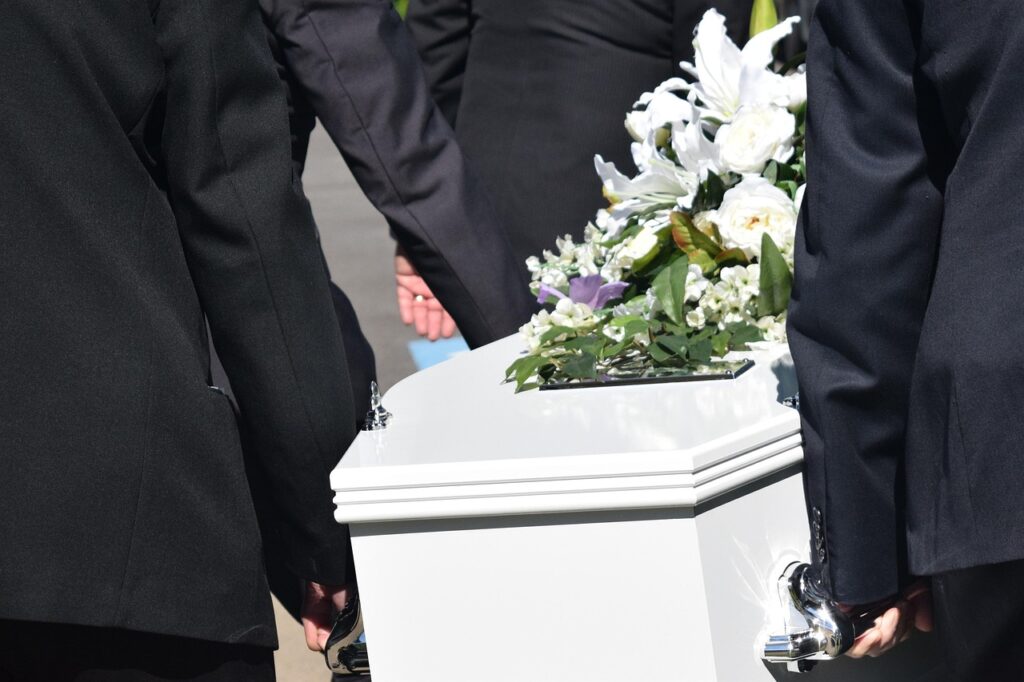
Arranging a funeral is easier and feels more natural when the deceased’s own wishes are known. The starting point for planning any funeral should be respect for the deceased’s wishes and a farewell that reflects who they were.
If there is no information regarding the deceased’s wishes for the funeral, arrangements can be made based on the knowledge and understanding of the family and next of kin. What kind of person were they? What was important to them? Had they ever spoken about whether they wanted to be buried in a coffin or cremated, or where they wanted her final resting place to be?
The culture, convictions, and religion of the deceased can also influence the type of funeral arranged.
If the deceased is a member of the church, the funeral usually includes a church blessing service. Other religions and cultures can also determine the method of burial and the course of the funeral in their own ways.
The funeral of a person who did not belong to the church can be arranged with just as much dignity and respect for the deceased’s wishes. Instead of religious content, the service can be built around the deceased’s life, personality, and the memories of their loved ones. A funeral may include, for example, music, eulogies, flowers, and a shared memorial gathering. The content of the event can be planned more freely in accordance with the wishes of the deceased and their loved ones. Instead of a minister, the ceremony can be led by a professional speaker or a family member.
Many of us have some idea of how we would like our own funerals to be arranged when the time comes.
A wish may concern, for example, the method of burial, the burial plot, the coffin or urn, the blessing or farewell ceremony, music, flowers, or the memorial gathering. For some, the most important thing might be for the funeral to be as small and simple as possible, while for others, it could be a specific piece of music, a flower, or a location.
It is a good idea to share your wishes regarding your funeral with your loved ones while you can still discuss them calmly. This way, family members do not have to try to guess what their loved one would have wanted in a difficult situation.
We have prepared a funeral wishes form where you can record your wishes in advance. It provides a clear foundation for matters worth considering and sharing with loved ones.
Once one’s wishes have been written down, it will be easier for next of kin to arrange the funeral in accordance with them when the time comes. At the same time, you can ensure that your final farewell is carried out as closely as possible to your own wishes.
We use cookies and similar technologies to improve the functionality and user experience of the service. Declining consent may affect the functionality of certain features.